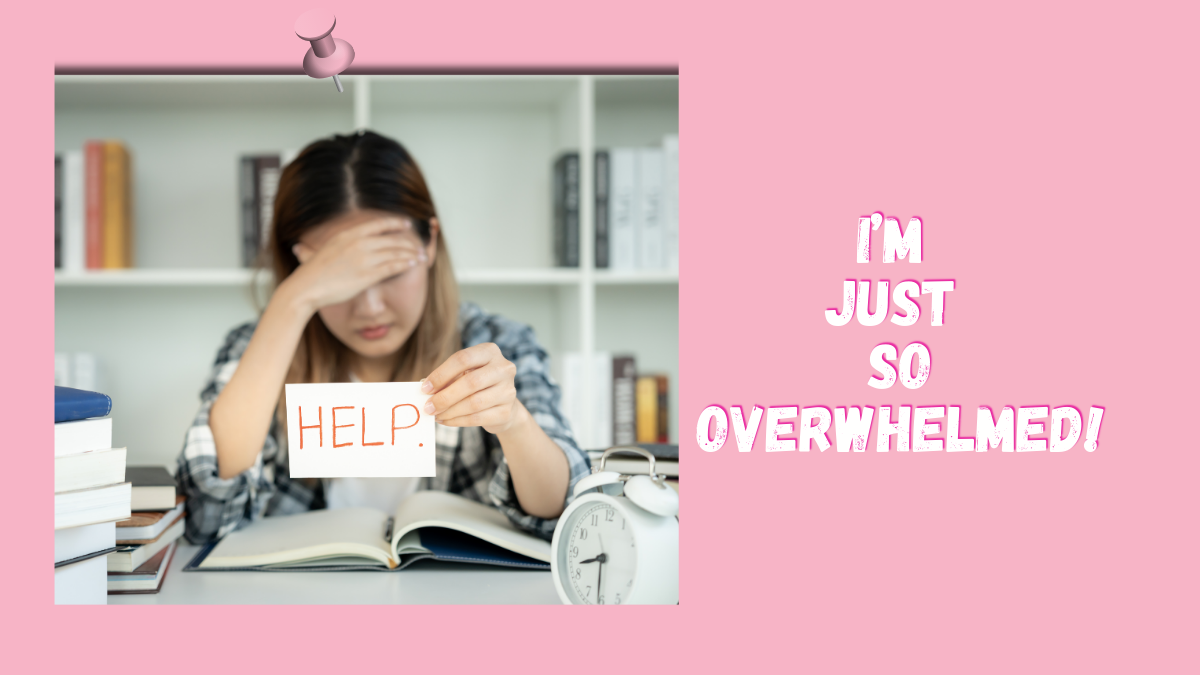
I’m Just So Overwhelmed!
 Dee Collins
Why It Feels Like Everything Is Too Much – and What Actually Helps
“I’m just so overwhelmed,” is a sentence that slips out easily – usually somewhere between the third unread email, the half-finished to-do list, and the realisation that dinner was supposed to be in the oven 20 minutes ago. If you run your own business (or simply try to juggle work, life, and expectations), chances are you’ve said it this week. Possibly today.
Overwhelm has become the background noise of modern life, especially for solopreneurs and women who wear many hats. It feels like there’s always something else demanding your attention – another message, another idea, another thing you should be doing. And while overwhelm often gets blamed on “too much to do,” the truth is more nuanced than that.
After years of working for myself – and listening to countless women describe the same stuck, frazzled feeling – I’ve learned that overwhelm isn’t about laziness, poor organisation, or lack of discipline. It’s about how we focus, what we allow into our mental space, and the stories we tell ourselves along the way.
Here’s what actually helps:
1. The Myth of Multitasking (and Why It Makes Everything Worse)
If you’re doing all the things, being told to “just focus on one thing” can sound wildly unrealistic. After all, there are emails to answer, deadlines looming, social media to post, meals to prepare, kids to collect, and somehow you’re meant to remember birthdays too.
But here’s the uncomfortable truth: trying to do everything at once doesn’t save time – it drains it.
When you jump between tasks, your brain has to reset each time. That constant switching makes you slower, more error-prone, and far more exhausted than necessary. What we often label as “overwhelm” is actually mental fatigue from too many open loops.
Think about writing an email while half-watching a webinar, checking notifications, and mentally rehearsing tomorrow’s to-do list. By the time you’re finished, you feel wrung out – and the email still needs editing.
What helps:
Give yourself permission to single-task. Close the extra tabs. Silence notifications. Choose one thing and stay with it until it’s done. Even 30 minutes of focused attention can calm your nervous system and restore a sense of control.
2. Shiny Object Syndrome Is Louder Than You Think
There’s always a new app, a new strategy, a new “must-have” tool promising to make life easier. And while curiosity is a strength, constant change comes at a cost.
Every new platform you explore or system you try adds to your cognitive load. Instead of feeling empowered, you end up feeling behind – like everyone else has the secret you’re missing.
It’s especially tricky with an online business, where advice is endless and urgency is manufactured. Just because something is popular doesn’t mean it’s necessary for you.
What helps:
Before you invest in something new, pause and ask:
Will I realistically use this in the next 30 days to do something I can’t already do?
If the answer is no, it’s probably not the right time. Progress doesn’t come from more tools – it comes from using what you already have, consistently.
3. You’re Further Along Than You Think
Have you ever lost a small amount of weight and felt like nothing had changed – until someone you hadn’t seen in months immediately noticed?
That’s distance at work.
When you see yourself every day, progress becomes invisible. The same is true in business and personal growth. You remember the effort, the mistakes, the unfinished tasks – not the quiet improvements that happened along the way.
What helps:
Look back a year. Not vaguely – specifically. Where were you working? What were you earning? How confident did you feel? What were you struggling with then that feels easier now?
Maybe your income has grown. Maybe your clients are a better fit. Maybe you trust yourself more. None of that is accidental – and all of it counts.
4. The Way You Talk to Yourself Matters More Than You Realise
Overwhelm feeds on language.
The more often you say, “I’m so overwhelmed,” the more your body believes you’re under threat. Complaining about how hard something is doesn’t release the pressure – it reinforces it.
That doesn’t mean pretending everything is fine or forcing positivity. It means noticing when your inner dialogue is making things heavier than they need to be.
What helps:
When you catch yourself saying, “I’m overwhelmed” or “I can’t do this,” pause. Drop your shoulders. Unclench your jaw. Take a breath.
Then try a gentler reframe:
I’m learning something new.
This feels uncomfortable, but I’ve handled harder things.
I don’t need to solve everything today.
Small shifts in language can create real shifts in how capable you feel.
Overwhelm Isn’t a Personal Failure
Feeling overwhelmed doesn’t mean you’re doing something wrong. It means you’re human, living in a world that asks a lot – often all at once.
The goal isn’t to eliminate overwhelm forever. It’s to recognise it sooner, respond more kindly, and choose habits that steady you instead of scatter you.
Because progress doesn’t come from doing more.
It comes from doing less, with intention – and trusting that it’s enough.
Categories: : Business tips, Motivation